
Content
Budgeting helps you in finding ways to get out of debt faster by avoiding unnecessary expenses. Also, it helps in planning your finances so well that you don’t have to take any debt in the future again. Once you start budgeting, you can see how much amount of money you’re putting towards repaying the debt each month.
For some companies, management may need to be flexible and allow the budget to be adjusted throughout the year as business conditions change. They are all FREE to download and some of them provide expense categories or a spot to plan for financial goals. First, you need to set the financial goals that you want to achieve with budgeting. It can be as simple as saving for your retirement fund, saving for a house down payment, paying off debt, and so on.
Definition of Budget
Volatility in the price of raw materials or other major cost factors can likewise lead to changes in the forecast. A longer-term forecast might span several years and feed a strategic business plan. The revenue forecast will drive adjustments to head count, production planning and stock levels for businesses that produce or distribute a physical product. A convincing forecast may also help you with getting bank loans on favourable terms. However, you can use the static budget as a guideline, and be flexible if business conditions change. You can adjust your spending if that’s the right business decision at the time.
For businesses, it’s critical to have an accurate budget and an accurate forecast. This is especially true of small businesses where a single accounting oversight can leave a business owner strapped for cash or, worse, having to let an employee go. We believe everyone should be able to make financial decisions with confidence.
Budgeting
Today, we will share with you the difference between a budget vs. forecast in accounting and tips on how to create a successful budget. IBM Planning Analytics provides a single solution to automate planning, budgeting and forecasting for your enterprise. Budgeting, planning and forecasting software can be purchased as an off-the-shelf solution or as part of a larger integrated corporate performance management (CPM) solution. Forecasts tend to address both short-term and long-term scenarios.
This gives you the power of directing your money and deciding how you want to spend it instead of losing track and spending it mindlessly. Your financial life can go completely haywire if you lose control of your finances. This helps you in cutting down on unnecessary expenses and finding more ways to save money. When you think about budgeting, the first thing that comes to your mind is saving more money.
It helps in taking complete control of your finances
Whereas budgets are about what the company wants to make happen, forecasts are about what companies believe will happen. Theoretically, these two approaches should match up (or should at least be fairly close to one another) at the time when you finalize the budget. After all, it would be imprudent for company leaders to build a plan for their future that is far out of line with their realistic view of what is likely to happen. Although they should be realistic, budgets might be better characterized as “hopes” or “intentions” rather than actual expectations. After all, executives have limited visibility to what the future might hold. Budgets may account for potential fluctuations in economic activity, but at their core, they tend to be optimistic and aspirational.
- Continuous planning and rolling forecasts are becoming widely used methodologies to update plans, budgets and forecasts frequently throughout the year, on a quarterly or even monthly basis.
- We believe everyone should be able to make financial decisions with confidence.
- A budget and a forecast are two of the most important tools for startups when it comes to financial modeling.
- Qualitative forecasting, on the other hand, relies on expert opinions, surveys, and other non-mathematical approaches to make predictions.
- Budgeting can sometimes contain goals that may not be attainable due to changing market conditions.
When you’re starting out in business, you may find monthly or even weekly forecasts necessary. In other words, it’s a projection of what might actually happen, and is generally restricted to revenue and expenses. A budget sums up where you’d like your company to be over a particular financial period. It’s difference between budget and forecast a summary of your goals, over the next few months or even years. A third difference is that forecasts are summary information, and budgets contain more detail. A profit and loss forecast for instance, does not contain revenue and expense lines for every account, but rather summaries based on big groups.
Regular planning is important for a fiscally responsible business. A small business owner should know the sales goals for the year, the direct expenses needed to support them, and the overhead costs and other fixed expenses of their business. But when it comes to budgets versus forecasts, a well used and updated forecast can take the place of a budget. For instance, if a company is netting X amount in revenues per year and wants to grow to 2x revenues, how will they get from here to there? Or, if an economic downturn occurs, and the business must determine how it will respond to survive, what changes will it have to make?
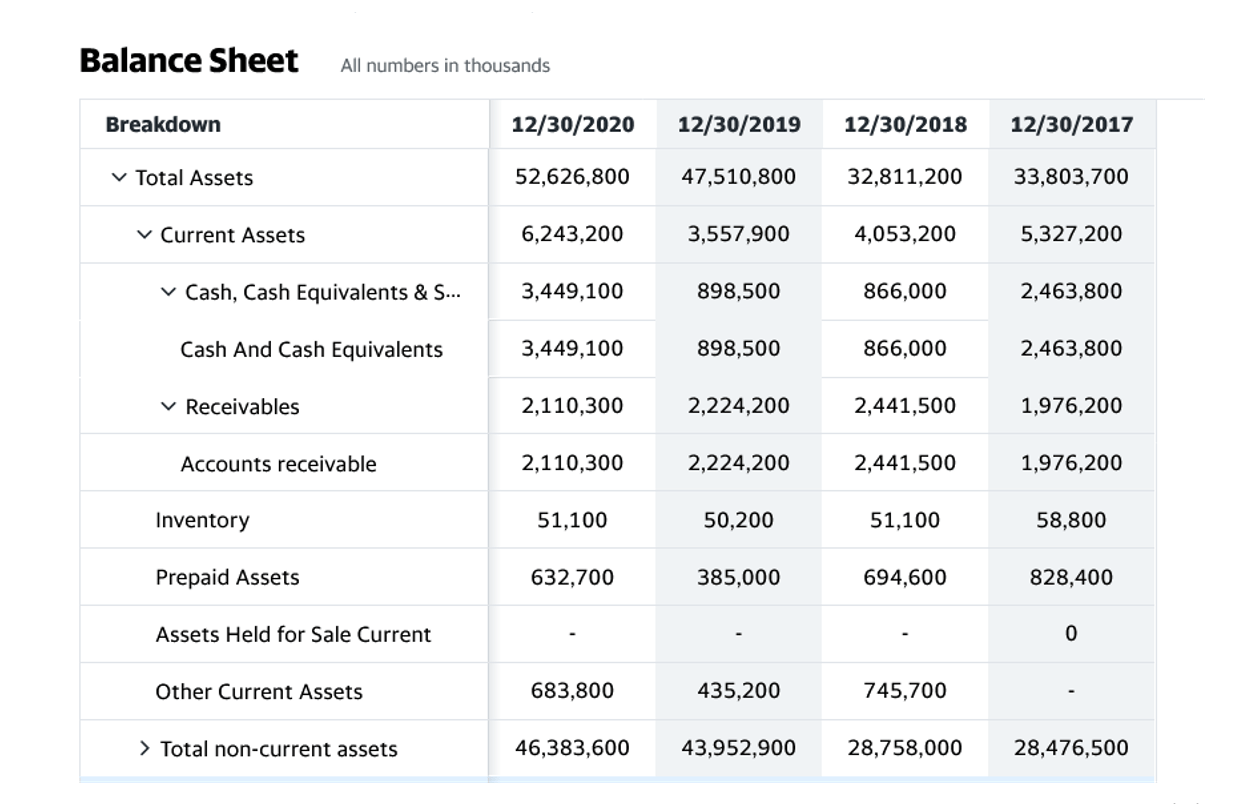
There are different types of forecasts, such as a revenue forecast for determining headcount, production, and inventory. For accurate forecasts, rely on up-to-date financial reports, historical data, and market research. Quantitative forecasting refers to data-backed business predictions. When a company creates a financial forecast report, it will decide on a time frame for the forecast and then gather all past financial documents and necessary paperwork around the time frame. The report will document, monitor, and analyze critical data such as cash flow and income statements, and balance sheets. In certain cases, long-term planning can also be a part of forecasting.
Budgeting for Better Outcomes: How to Take Control of the Fiscal Planning Process
Without a forecast, you’d end up spending resources on endeavors that are not aligned with your overall business financial goals. Here are some of the most important things you need to know about creating accurate budgets and forecasts as a small business owner. A forecast also helps you react to change in a way that a budget does not.
Budgeting and forecasting are essential tools for small businesses to effectively manage their business cash flow and plan for the future. Incremental budgeting, on the other hand, builds on the previous year’s budget and adjusts it based on changes in revenue and expenses. The budgeting https://www.bookstime.com/accounting-and-finance process usually involves setting financial goals, estimating revenues and expenses, creating a budget, monitoring progress, and making adjustments as the year progresses. Budgets are usually reviewed at least monthly to ensure that the company is on track with its financial goals.
Forecasting may involve several scenarios to evaluate how different events may influence your business. A financial forecast is a projection of what will likely happen—generally at a higher level, such as crucial revenue items or total expenses. You can forecast for various periods, such as short-term (a couple of months) or long-term (aka five years). A longer-term forecast might look out over several years and be part of a longer-term strategic business plan. While many business owners have to focus on managing the day-to-day, planning for the future is key to managing cash flow and finding growth opportunities. Budgeting and forecasting are essential financial tools businesses use to plan for the future, but they serve different purposes.
- You can’t always predict when market conditions like supply chain problems or inflation will result in a rise in costs.
- Forecast can be understood as the evaluation and interpretation of the conditions that are likely to occur in future, with respect to the operations of the enterprise.
- The main aim is to find the activities that will enable you to achieve the goal through budgeting.
- Budgeting allows you and your partner to discuss your finances and create a financial plan that works best for your family.
- Put simply, a budget is an outline of your company’s expectations for the upcoming financial period, usually one year.
- Depending on the company’s size, there may be a budgeting process—often done toward the end of the year.