This has caused misconceptions and judgment from society, leading to shame and fear. Myths and misunderstandings perpetuate the hidden nature of addiction, making it hard for individuals to receive help or talk about its effects. In conclusion, addiction is complex and some details are yet to be understood. Addressing these gaps is vital to support those suffering from addiction. Raising awareness, reducing social stigma, encouraging compassionate dialogue, and creating supportive environments can help break down the myths and misconceptions, leading to better outcomes.
Myth: You can’t become addicted to a drug from just one use.
But understanding what makes someone addicted to alcohol can be the first step in helping a person seek treatment. This misunderstanding may encourage individuals to engage in risky behaviors, such as driving or operating machinery, under the incorrect assumption that they are no longer impaired. As a result of scientific research, we know that addiction is a medical disorder that affects the brain and changes behavior.
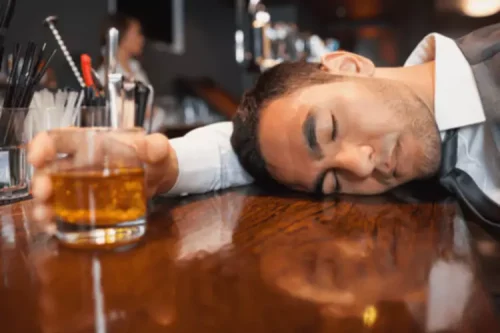
Myth 3: You have to hit rock bottom before seeking help

According to a report by the National Institute on Drug Abuse, among young adults aged 18–25, 14% used prescription drugs for nonmedical reasons within the past year. Lastly, one of the https://ecosoberhouse.com/ most harmful myths about addiction is that addicts are bad people. This belief is rooted in stigma and judgment and fails to recognize that addiction is a disease, not a character flaw.
Myth #5 Rehab doesn’t work.
Mental health illness is a product of insufficient neurotransmitters in the brain, which can be a reaction to one’s environment or self, or it can have genetic roots. While we do not know the exact cause of addiction, we do know there are genetic markers that point to one’s susceptibility to becoming addicted. There are biological reasons why one struggles with drugs and alcohol, just as there are environmental factors.

To break the stigma, we must challenge incorrect ideas by being compassionate and creating a safe space to talk without judgment. Educate people about addiction and spread awareness to end myths. Stereotypes about physical looks and addiction must be challenged. Treatment should start right away, not wait for a “rock bottom”. People with addiction need understanding and support, not judgment and punishment. It’s important to challenge shame by being understanding and compassionate.
- Belief in some of these myths may even play a role in the development of alcohol use disorder in some cases.
- But, by understanding its prevalence, we can break down barriers and promote a better comprehension and assistance system for those affected.
- Addressing stigmas online and in discussions can also help spread accurate information.
- The harm of prescription drug misuse is far-reaching and devastating.
Myth #1: If you have an addiction, you don’t have enough willpower.
There are many different myths about fentanyl that get spread through media outlets, social media posts, and word of mouth. Fentanyl is a synthetic opioid that is 50 to 100 times as strong myths about addiction and recovery as morphine and used to treat severe pain in medical settings. It is important that we address these myths, so our communities feel better prepared to address the opioid crisis together.
- This shows that addiction is closely tied to one’s position — perceived or real — in society.
- The clear path forward based on Dr. Harris’s remarks was for physicians to redouble their efforts to curtail painkiller prescriptions.
- A prevalent addiction rehab myth is that all programs are the same.
- They might be used to calm cravings while your body goes through detox, or help a person with recovery maintenance.
#4. People who get addicted to prescription drugs are different from people who get addicted to illegal drugs.
- Unfortunately, abuse of these drugs can be deadly, with nearly five young adults dyingeach day from prescription drug overdose.
- It affects people of any age, income, ethnicity, religion, family, or profession.
- They may feel there’s no hope after a relapse and that they should give up.
- If they do get to the point where they accept change is needed, they often don’t have the ability to stop using without professional treatment.
- We can make a big difference by talking openly about addiction and showing support.
- In reality, addiction is a complex brain disorder influenced by a combination of genetic, environmental, and psychological factors.
Breaking Down the Myths and Misconceptions About Addiction and Recovery