
Content
Mixing cocaine and alcohol can lead to dangerous, even life-threatening consequences due to the formation of a toxic chemical called cocaethylene. In addition to the production of cocaethylene, some drinkers believe that they can imbibe over longer periods of time because they do not feel the effects of alcohol, since cocaine sharpens their senses. This can be deadly, because a user will tend to drink more when they are unable to feel the consequences of doing so. Alcohol poisoning or overdose and subsequent death can easily result.

When anyone under the age of 40 is admitted to a hospital emergency department complaining of chest pain, the doctor is likely to ask if the patient has taken cocaine. Cocaine use is a risk factor for heart attacks, but that risk is magnified when combined with alcohol. Depending on the type of program and your insurance coverage, the cost of a treatment program for alcoholism can vary widely.
Journal of Substance Abuse Treatment
Because treatment costs can differ, you want to make sure the program you enroll yourself or your loved one in will actually work. American Addiction Centers (AAC) can improve treatment outcomes for those in recovery for alcohol use disorder. People can receive help and treatment for alcohol and drug use disorder by contacting a drug and alcohol helpline or support network. In the U.S., 45 states now have Good Samaritan laws, which protect drug users and witnesses from persecution in the event of an overdose. This law can enable emergency responders to reach people faster and save lives. Research suggests that alcohol disrupts the metabolism of cocaine, leading to the production of cocaethylene, a substance that may be 30% more toxic than cocaine.
- Cocaine consistently antagonizes the learning deficits, psychomotor performance deficits and driving deficits induced by alcohol.
- Even if we cannot assist you, we will lead you wherever you can get support.
- Cocaine and alcohol can lead to higher impulsivity and lower inhibitions, which can increase risk taking.
- He or she will help you rectify your maladaptive thoughts, feelings, and behaviors, while teaching you healthy coping mechanisms to be used in times of stress or cravings to use these substances.
PM oversaw the work of the other authors and re-worked the manuscript into its final form, contributing to each section. Sleep difficulties appear to be a predisposing factor for cannabis use, and baseline sleep problems are a significant predictor of later cannabis use, doubling the risk of future use [139, 155, 166, 211, 214]. This latter finding has led some to describe cannabis use as “coping oriented use” [21]. Cocaine can also be dabbed by putting it under the tongue and some people may rub it onto the gums – this can cause rapid gum decay and long-term dental problems.
Dangers Of Mixing Alcohol And Cocaine
The addition of a stimulant, like crack cocaine, speeds up a person’s metabolism, resulting in the alcohol reaching the brain faster. In addition, the stimulant masks the depressant effects of alcohol. The bottom line is that an alcohol drinker who decides to smoke crack cocaine at the same time will get drunk faster and have a more rapid change in BAL but will likely not feel drunk.
When taking cocaine, avoiding other substances, such as alcohol, is best to prevent worsening side effects. Alcohol is a psychoactive sober house substance with dependence-producing properties. One of the most important facts to remember about alcoholism is its progression.
Why do I crave cocaine after a few pints?
Once you admit that you’re struggling with cocaine and alcohol addiction, the only way forward is. Polydrug use is, unfortunately, more common than we like to think, and one drug does enough harm to the body alone when abused. Both medicines can cause damage to the user’s body and social and emotional well-being while also increasing their risk of long-term, chronic health issues or overdose. The health dangers of one drug are enhanced by polydrug use and dual diagnoses. Individuals with schizophrenia and bipolar disorder are especially at risk of substance abuse and polydrug patterns. Research has shown that a particular demographic is more likely to develop an alcohol use disorder; people with bipolar disorder.

In the U.S., alcohol is legal for people over the age of 21 to purchase. Cocaine is legal for some specific medical treatments but illegal for recreational use. Cognitive behavioral therapy, peer recovery support, and other symptom-management treatments can also treat and manage drug dependence. According to the Substance Abuse and Mental Health Services Administration (SAMHSA), more than 14 million people met the criteria for alcohol use disorder (AUD) in 2017 in the United States. People who use cocaine and alcohol are also more likely to have injuries or adverse reactions and visit emergency rooms more often. GA performed the initial literature review and drafted the introduction and alcohol sections and coordinated the work of NE and SH.
What are the Effects of Mixing Alcohol & Cocaine?
Adult mammals experience neurogenesis to a limited extent over the course of their lifetime [39]. In a study of mice, the long-term exposure of animals to ethanol and cocaine induced pathological changes in the brain and neurodegeneration [38]. A recent study of cocaine use data from 2011 to 2015 found people who reported heavy alcohol use in the past month had higher rates of weekly cocaine use. Cocaethylene also stays around for a much longer time in the body than cocaine, and its toxic effects last longer.
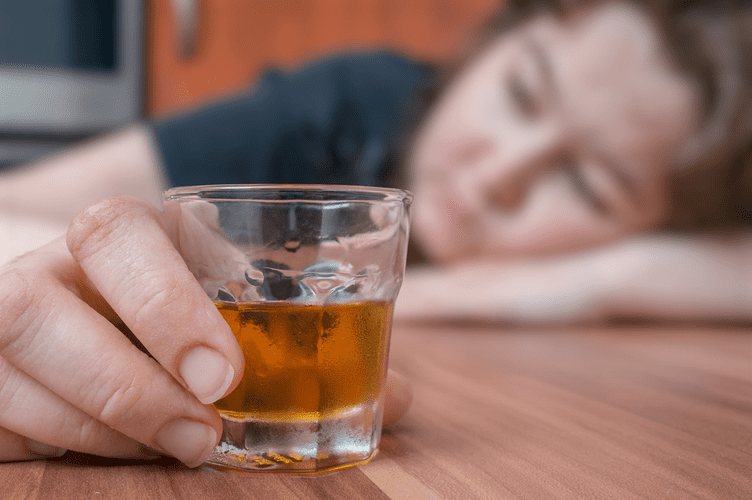
Alcohol is by far the most commonly used substance in America, with 63% of adults drinking alcohol. Because it is legal, you will see alcohol in almost every grocery store, gas station, and restaurant you https://goodmenproject.com/everyday-life-2/top-5-tips-to-consider-when-choosing-a-sober-house-for-living/ go into, making it easy and affordable to get. The dangers and risks that come with alcohol abuse is a long list, including health problems like liver disease, and acute risks like roadway fatalities.
In other words, the cocaethylene that is produced when alcohol and cocaine are used together causes physiological effects far more quickly than cocaine alone, and the duration of the effects is up to five times longer. When used on their own, both cocaine and alcohol can have devastating long-term and short-term consequences and can cause considerable damage to the brain and body. This can mean risking overdose in the short term and causing chronic health issues in the long term.
- Also linking these abnormalities are connections with ongoing use and relapse.
- In another study from Columbia University Medical Center, scientists looked at rats that could push a lever to receive as much cocaine as they wanted.
- These recovery facilities make sure to treat the entire scope of your addiction along with the whole person.
- If you or a loved one are struggling with a cocaine or alcohol addiction, The Recovery Village is here to help.
Cocaine dependence develops when there’s a change in the brain’s reward system from constant release of dopamine. After a while, you need more of the drug to get the same desired feelings and to avoid withdrawal. Studies show alcohol and cocaine use during pregnancy have negative effects on both mother and fetus. These effects can have a lasting health impact on both mother and child. One of the most powerful of these metabolites is called cocaethylene.
What are the long-term effects of combining cocaine and alcohol?
Both cocaine and alcohol have negative long-term effects on the systems of the body. With repeated cocaine use, the brain begins to adapt to this new synthetic happiness by stopping the production of naturally occurring dopamine. Along with this, the neural circuits involved in stress become increasingly sensitive, leading to increased irritability and negative moods when not taking the drugs. Cocaethylene causes a temporary increase in the euphoric effects of both cocaine and alcohol. That being said, it also amplifies the negative effects of both drugs.